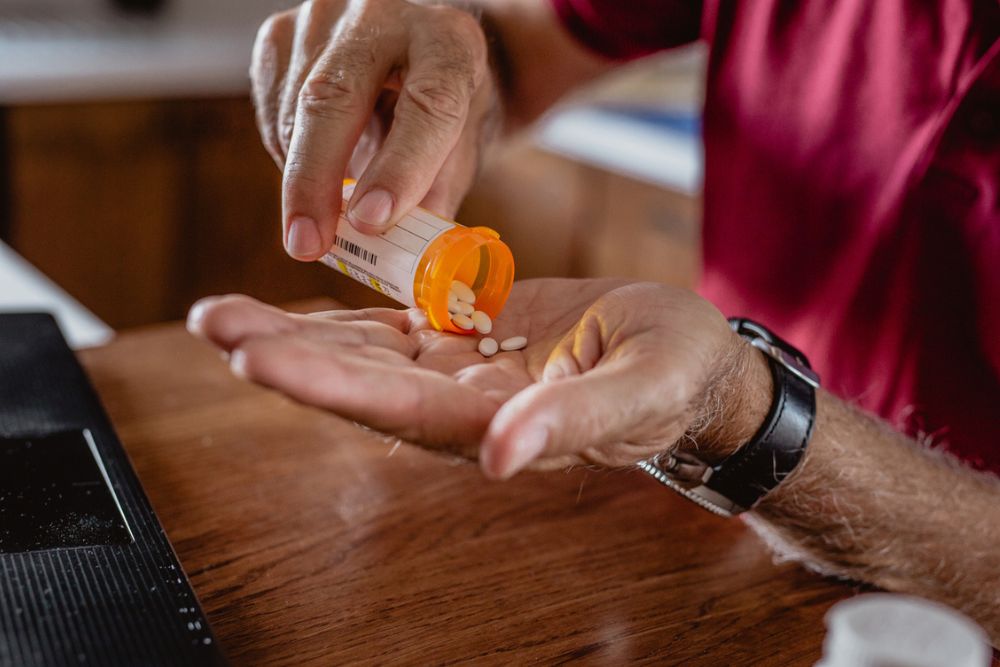
Self-medication is just what it sounds like. People try to treat their own condition without consulting a doctor. They might do this by utilizing over-the-counter or prescription medications or by drinking alcohol or using illicit substances to attempt to quash their symptoms.
At Highland Hospital Behavioral Health in Charleston, West Virginia, we think it is important for our patients and their families to understand the risks involved in a person with a mental health concern trying to self-medicate.
Why People Self-Medicate
Living with a mental illness can be scary, stressful, sad, and isolating. A reprieve from the distress a person experiences can be very attractive, even if the break doesn’t last for very long. In a world where it can take months to get an appointment with a mental health professional, where many people don’t have insurance to cover the cost of appointments, and where there is a stigma around admitting that you’re struggling with mental health, it may be faster and easier to self-medicate. Not only that, but many people don’t recognize their struggles as a mental illness. They only know that their symptoms are more tolerable when they are drunk or high.
Why That’s a Problem
Unfortunately, self-medicating a mental illness is only a temporary fix, and when the person sobers up, they have new problems to face:
- If they get in the habit of turning to alcohol or drugs as a primary coping skill, they don’t develop other coping skills that might be more productive.
- If a person self-medicates long enough or with potent enough drugs, they can develop a substance use disorder, on top of their mental illness.
- If the person does develop dual diagnoses, it can be more difficult for them to recover than if they just needed treatment for a mental illness.
- Alcohol and illicit drugs may interact with medications for their mental health disorder, placing them in a position where they have to choose if they want to take their meds, get their fix, or do both and risk a drug interaction.
- Substance misuse can lead to worsening mental and physical health due to malnourishment, organ damage, and cancer.
How to Help
If you have a loved one who you believe might be self-medicating to address mental health symptoms, it is important to do the following.
Document the signs you see of mental illness and substance misuse and when you first noticed them. Some of the red flags you might observe include:
- Changes in hygiene and appearance
- Frequent indications of sadness, anger or worry
- Changes in eating habits and weight
- Decline in work or school performance
- Sleeping too much or too little
- Isolating from friends, family or colleagues
- Physical pain with no clear medical cause
- Inability to focus or remember information
- Increased substance use
- Ideas that don’t seem to fit with reality
Talk to your loved one about what you’re seeing in a safe, quiet, comfortable space. Some examples of what you may say are:
- “You’ve been through a lot lately. (Examples) That’s a lot for anyone to deal with. How are you doing?”
- “I have been worried about you because I have noticed (the red flags from above). I care about you, and I want to listen.”
- If you don’t want to discuss this with me, is there someone else you feel comfortable talking to about it?”
- “Is there anything I can do to help you?”
- “Have you dealt with anything like this before? What was helpful for you then?”
- “I am worried for your safety. Have you had any thoughts of killing yourself?”
Ensure that they talk to their doctor or a mental health provider, who can screen them for mental health and substance use disorders and refer them for treatment, if needed.
At Highland Hospital Behavioral Health, we treat people who are struggling with mental health disorders and also co-occurring substance use disorders. We recognize the importance of screening for substance use disorders when we are presented with a patient who is struggling with a mental health condition.
Many of the mental health diagnoses we treat, including anxiety disorders, depression, bipolar disorder, PTSD, and schizophrenia, place a person at higher risk for also experiencing addiction. In order to help our patients recover as fully and quickly as possible, our clinicians are mindful of this possibility and ensure that they receive the full range of care that they need.